Our Market

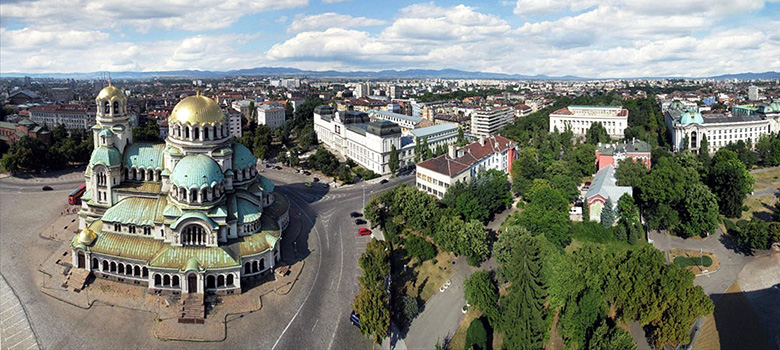
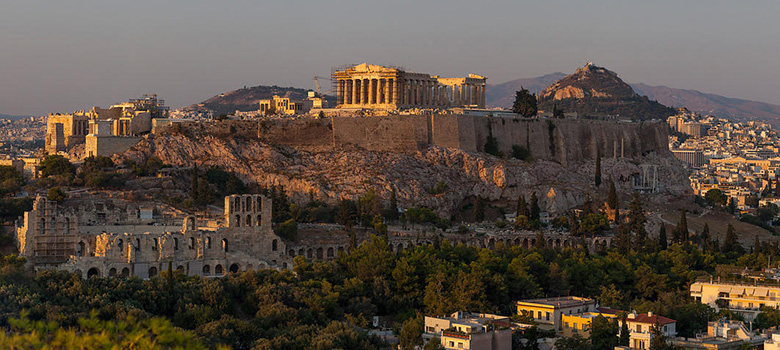
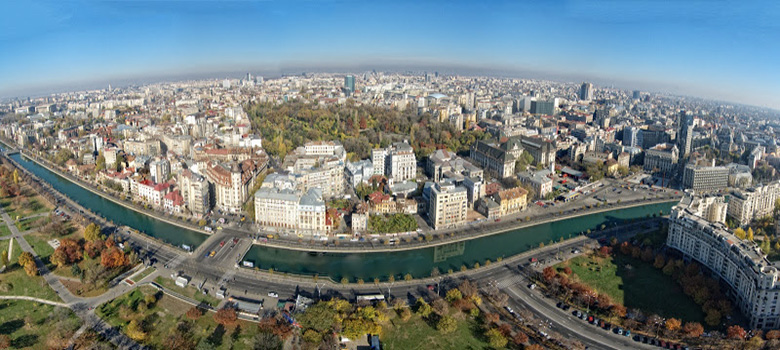
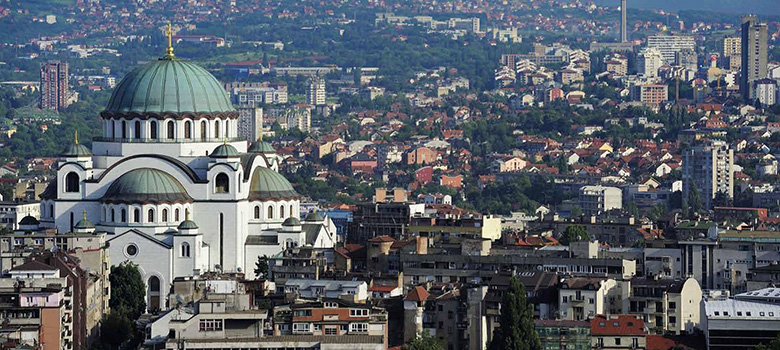
Arceland targets business in the Southeastern and Central Europe as well as the MENA region from its headquarters in Bulgaria, where the operation was founded. The Company has also a team of partners in Athens and in Thessaloniki, Greece, in order to support the
Schengen VISA FREE investment program for Chinese, Russian, Indian, Pakistani and GCC investors who seek combination of attractive investments with the VISA FREE status in the Schengen European zone for them and their whole families.
Bulgaria
We include a text on the market of Bulgaria, authored by Mr. Curtis Coward, CEO and Man. Partner of the Arceland Group. |

Prior to the current worldwide financial crisis, Bulgaria was among the world’s leading ‘Emerging Market’ economies. It featured an average annual GDP growth rate of 6%, an unemployment rate below the European Union (“EU”) average, an average 3% government budget surplus for five successive years, strong reserves in the National Bank and a currency that had maintained a fixed conversion rate to the EURO for over ten years. In fact, a strong argument can be made that during the period 1997-2007 Bulgaria was among the very best managed economies in the world, as affirmed by official IFC and EU studies. Furthermore, as one of the most recent entrants to the EU, the country had become the biggest beneficiary of the EU’s multi-year ‘convergence’ programs, guaranteeing a steady stream of massive foreign direct investment over a prolonged period. With 97% home ownership, mortgage penetration of less than 17% and no subprime or other exotic consumer debt overhang, the country was very well positioned for sustained growth for the next decade and beyond entering 2008.
The impact of the world financial crisis in Bulgaria was sudden, commencing in Q3 2008, because it was concentrated in three sensitive, fast acting areas: foreign direct investment, bank lending practices and consumer confidence. In short, foreign investors ceased their speculative real estate funding, the largely foreign owned banks abruptly stopped lending, and the instinctively risk-averse consumers stopped borrowing. The impact of these three speed breaks was significant and immediate. Over the ensuing 15 months, the overall economy began to contract for the first time in a decade, with a decline in GDP of 4.9% in 2009.
However, despite a series of negative external events over the ensuing two years, including the continuing Greek and Euro crises, the Bulgarian economy officially exited the recession in mid 2010. The Government reported an increase of 0.2% in GDP in 2010 and 1.7% in 2011. In December, 2011 Standard & Poor’s (“S&P”) reaffirmed its BBB/A-3 rating with a stable outlook and predicted that GDP will grow 1.5% in 2012 despite the continuing crises in neighbouring Greece and throughout the Euro zone. In particular S&P noted “the Government’s strong track record of appropriate fiscal policy and low gross and net general government debt.”
And notwithstanding the impact of the crisis, the fundamentals of the Bulgarian economy remain very positive. According to an October 2009 report of the European Commission, Bulgaria has one of only five sustainable economies in the EU, structurally superior to countries such as the UK, Germany and France among the many others. Among the reasons for this superior economic foundation are:
- Public debt is less than 16% of GDP
- Real wage growth remains robust at 98.9% year-over-year in 2011 despite the continuing world financial crisis. Given its extremely low base – less than 11% of German income levels – and the impact of the EU ’convergence programs’, this growth rate is expected to remain near these levels for the next decade.
- The Bulgarian currency (“Lev”) has maintained a fixed exchange rate to the Euro for more than 10 years. The currency is backed 100% by only foreign reserves, making it impervious to any external attack, and the exchange rate can only be changed by a two thirds vote of Parliament, not by administrative decision of either the government or the national bank.
- Government budgets have consistently produced annual surpluses over a period of years and, though producing a 2.1% deficit for 2011, can be expected to return to surplus promptly once European economic conditions stabilize. The government has adequate reserves, and remarkably, these reserves have actually grown during the crisis. Furthermore, international institutions including both the ECB and the IMF have assured Bulgaria that any additional public credit requirements will be met. Impressively, the government has not needed to borrow any funds over the nearly four years of the crisis and has no plans to seek any such special external funding.
- Under the strong supervision of the Bulgarian National Bank, the commercial banking sector has been required to maintain exceptionally high ‘Tier 1’ capital ratios reaching 17%, more than double the EU average.
- EU Accession Funds totalling €6.7 Billion – equal to 20% of one year’s GDP - remain committed to Bulgaria in the first ‘phase’ ending in 2013. This is the highest per capita grant in the history of the EU. Importantly, subsequent phases can be expected to maintain an important flow of programmed massive FDI over a period of years.
- The income tax rate of just 10% - now the lowest in the EU -continues to draw more money into the economy, most especially from Greece where tax rates are high and headed higher.
Accordingly, as the external factors continue to stabilize, there is every reason to expect that Bulgaria’s recovery will be robust, and that the economy will resume its prior highly positive economic trends. As an example, Arceland believes the crisis has purged speculative pressure from the Bulgarian real estate market, and that over the next decade, real estate prices will be driven primarily by domestic demand. We believe further that as a direct result, real estate prices will return to a close correlation with the growth in real wages, as has historically been the case in developed countries in stable periods. This is very good news for the sector, since real wages are expected to grow at more than double the EU average during the next decade as a result of the low base and the inexorable impact of EU convergence funds. In addition, Bulgaria’s world class year-round tourism sector is expected to continue to flourish, attracting ever growing numbers of vacationers from both EU and Russia. And finally, with a minimum wage below that of China and a 10% tax rate, Bulgaria is fast becoming the preferred operating location for leading international corporations. Such firms as Liebherr, Ideal Standard and even China’s Great Wall Auto Company, as well as IT giants such as Hewlett Packard Microsoft and SAP, have found Bulgaria to be the ideal base from which to serve the 440 million consumers in the EU market from within the community’s tariff zone. Therefore, Bulgaria is positioned to offer a unique combination of emerging market returns and developed market stability over the next ten years.
(author: Curtis Coward)